Postponing necessary joint surgery can lead to consequences you might not expect:
- Muscle atrophy: Prolonged limping or limited use causes supporting muscles to weaken, making eventual recovery more difficult.
- Compensatory pain: Favoring one leg often leads to pain in other joints, your back, or opposite leg as your body tries to compensate.
- Deformity progression: Untreated arthritis can cause increasing joint deformity, making eventual surgery more complex.
- Reduced activity: Limiting movement due to pain often leads to weight gain and declining cardiovascular health.
- Decreased quality of life: Perhaps most importantly, postponing treatment means unnecessarily enduring months or years of limited mobility and missed opportunities.
Dr. Morcos’ Mobility Assessment Tool™ helps patients objectively evaluate when surgery might be appropriate. This proprietary framework examines pain levels, functional limitations, response to conservative treatments, and imaging results to guide decision-making.

As an academic orthopedic surgeon, Dr. Morcos maintains active involvement in research and education, ensuring he stays at the forefront of orthopedic advancements. His credentials include:
- Fellowship training in complex joint reconstruction
- Academic appointment teaching advanced surgical techniques
- Ongoing research in optimizing joint replacement outcomes
- Regular participation in international orthopedic conferences
- Publication in peer-reviewed orthopedic journals
This academic foundation translates to real benefits for patients. Research published in the Journal of Bone and Joint Surgery demonstrates that surgeons who specialize exclusively in joint replacement tend to have better outcomes and lower complication rates than those who perform these procedures less frequently.
Advanced Robotic-Assisted Surgical Expertise
Dr. Morcos is among a select group of surgeons specially trained in robotic-assisted joint replacement. This cutting-edge technology allows for:
- Pre-operative 3D planning based on your unique anatomy
- Sub-millimeter precision in implant positioning
- Preservation of healthy bone and tissue
- Optimal alignment for improved function and longevity
“Robotic assistance doesn’t replace surgical skill—it enhances it,” explains Dr. Morcos. “Think of it as a sophisticated tool that allows me to execute each procedure with unprecedented accuracy.”
This precision particularly benefits patients with complex anatomy or previous surgeries that might complicate traditional approaches.
Patient-Centered Approach to Joint Care
Beyond his technical expertise, Dr. Morcos is known for his compassionate, individualized approach to patient care. Key elements include:
- Thorough consultations that address all your questions and concerns
- Personalized treatment plans based on your specific goals and lifestyle
- Clear communication throughout your surgical journey
- Direct accessibility before and after surgery
- Commitment to conservative approaches when appropriate
“My goal isn’t just to replace a joint—it’s to restore your quality of life,” says Dr. Morcos. “That means understanding what activities matter most to you and helping you get back to them as quickly and safely as possible.”
State-of-the-Art Joint Replacement Options
The Hip & Knee Surgical Clinic offers advanced joint replacement options that go beyond standard care, providing better outcomes and faster recovery times.
Robotic Precision Technology: How It Transforms Results
Traditional joint replacement relies heavily on a surgeon’s manual skill and visual judgment. While experienced surgeons achieve good results with these methods, robotic-assisted surgery adds a new dimension of precision.
The system works by:
- Creating a virtual model:A pre-surgical CT scan generates a detailed 3D model of your unique joint anatomy.
- Enabling precise planning: Morcos plans every aspect of your procedure virtually before making a single incision.
- Guiding surgical execution:During surgery, the robotic arm helps position instruments and implants with accuracy impossible to achieve manually.
- Providing real-time feedback:The system continuously tracks and confirms optimal placement throughout the procedure.
The clinical benefits are significant:
- Improved implant positioning:Studies show robotic assistance achieves optimal implant position in 97% of cases versus 75% in manual techniques.
- Better joint mechanics:Precise positioning means more natural movement patterns after surgery.
- Reduced wear:Optimal alignment reduces long-term implant wear and extends longevity.
- Less soft tissue damage:Robotic boundaries prevent inadvertent injury to surrounding tissues.
Minimally Invasive Techniques for Faster Recovery
Dr. Morcos specializes in minimally invasive approaches that disturb less healthy tissue during surgery. These techniques include:
Anterior Approach Hip Replacement: This muscle-sparing technique approaches the hip joint from the front rather than the side or back, avoiding cutting major muscles. Benefits include:
- Less post-operative pain
- Reduced risk of dislocation
- Faster return to normal activities
- No post-operative movement restrictions
Quadriceps-Sparing Knee Replacement: Traditional knee replacement involves cutting through the quadriceps tendon. This specialized approach preserves this important structure, resulting in:
- Reduced pain during early recovery
- Better early function and strength
- Shorter hospital stays
- More natural knee function
“These minimally invasive techniques aren’t appropriate for every patient,” notes Dr. Morcos. “During your consultation, we’ll determine which approach offers the best balance of benefits for your specific situation.”
Custom Implant Selection for Your Unique Anatomy
No two patients have identical joint anatomy, which is why Dr. Morcos offers several implant options to match your specific needs:
Gender-Specific Implants: Women’s knee anatomy differs from men’s in subtle but important ways. Gender-specific implants account for these differences, potentially providing:
- Better fit and feel
- More natural movement
- Less overhang of the implant
- Improved function in daily activities
High-Flexibility Designs: For active patients who want to maintain deeper knee flexion for activities like gardening, certain sports, or cultural practices requiring deep bending, specialized high-flexion implants offer:
- Greater range of motion (up to 155 degrees versus 125 degrees with standard implants)
- Better stability in deep bending positions
- Improved performance during demanding activities
Ceramic and Advanced Bearing Surfaces: For younger or more active patients, Dr. Morcos may recommend ceramic or highly cross-linked polyethylene components that:
- Reduce long-term wear
- Minimize particle generation that can lead to implant loosening
- Potentially extend implant longevity
The right implant choice depends on many factors including your age, activity level, bone quality, and anatomical considerations—all discussed thoroughly during your consultation.
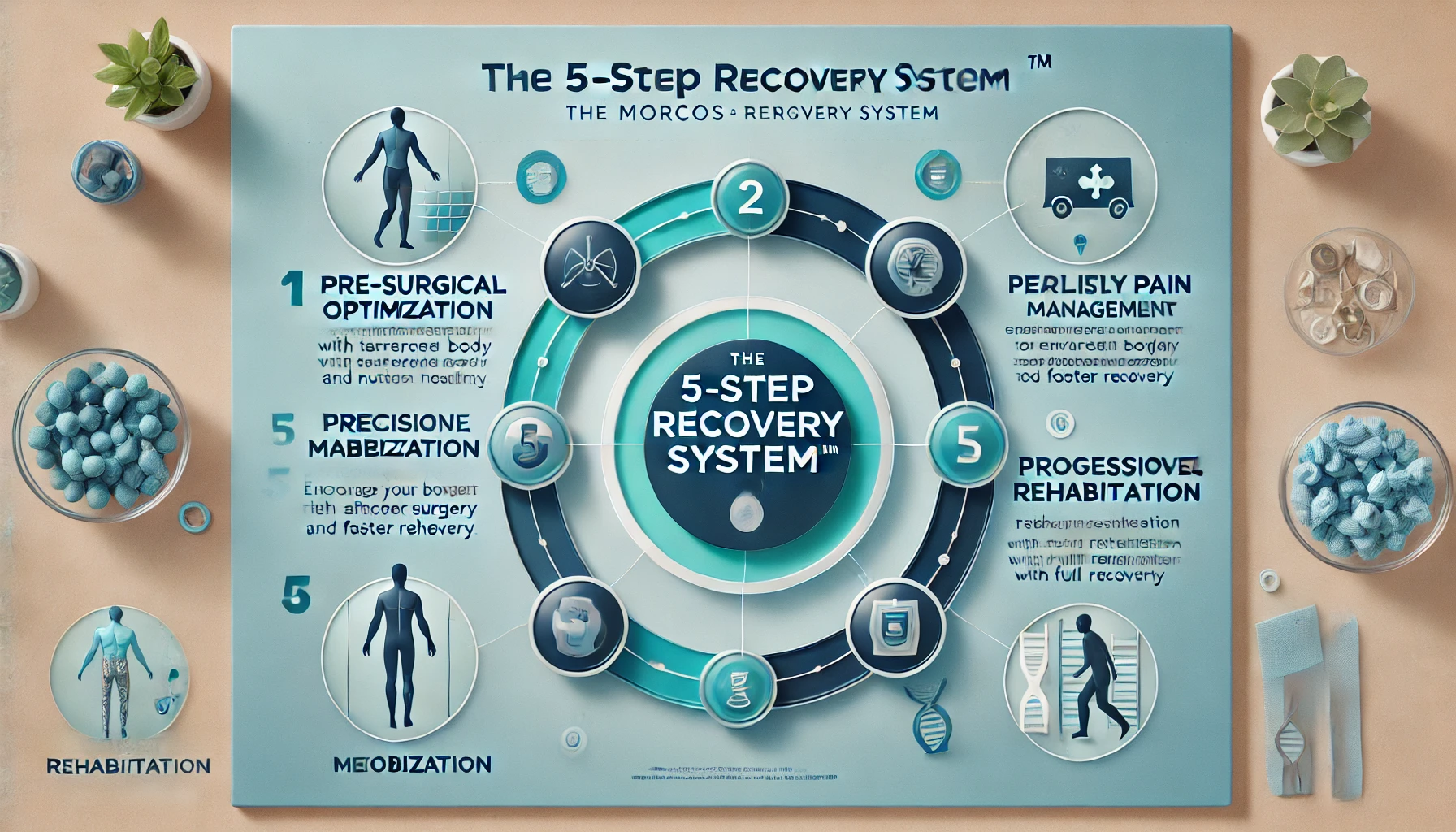
Dr. Morcos 5-Step Recovery System™
Dr. Morcos has developed a proprietary approach to joint replacement recovery that optimizes healing, minimizes discomfort, and accelerates your return to normal activities. This comprehensive system addresses every aspect of your surgical journey.
Comprehensive Pre-Surgical Optimization
Recovery begins before surgery through targeted preparation that reduces complications and speeds healing:
- Nutritional Optimization:Specific supplements and dietary recommendations to support tissue healing and reduce inflammation.
- Pre-habilitation Exercises:Strengthening key muscles before surgery creates a stronger foundation for post-operative recovery.
- Home Preparation:Guidance on modifying your living space for safety and convenience during early recovery.
- Medical Optimization:Coordination with primary care physicians to address any underlying conditions that might affect surgical outcomes.
- Mental Preparation:Techniques to reduce anxiety and set appropriate expectations for the recovery process.
Research shows patients who participate in structured pre-surgical programs experience fewer complications, shorter hospital stays, and faster returns to normal function.
Precision Pain Management Protocol
Effective pain control is crucial for comfortable recovery and optimal rehabilitation. The Morcos approach includes:
- Pre-emptive Analgesia:Medications administered before surgery to prevent pain cascades from developing.
- Regional Anesthesia Techniques:Specialized nerve blocks that target specific pain pathways while minimizing side effects.
- Multi-Modal Medication Strategies:Carefully calibrated combinations of different medication types that work together, reducing the need for opioids.
- Advanced Wound Care:Special dressings and closure techniques that minimize discomfort and reduce infection risk.
- Early Mobilization:Getting you moving comfortably on the day of surgery, which naturally reduces pain and prevents stiffness.
“Most patients are pleasantly surprised by how manageable their discomfort is,” says Dr. Morcos. “Our multi-faceted approach means we can control pain effectively while minimizing medication side effects.”
Accelerated Rehabilitation Timeline
The Morcos system includes a progressive rehabilitation protocol that begins immediately after surgery:
Day 0 (Surgery Day):
- Standing and taking first steps with assistance
- Initial range of motion exercises
- Pain management optimization
Days 1-3:
- Walking with appropriate assistive device
- Specific exercises to activate key muscle groups
- Discharge planning and home exercise instruction
Weeks 1-2:
- Daily home exercise program
- Gait training to normalize walking pattern
- Progressive increase in walking distance
Weeks 3-6:
- Transition to outpatient physical therapy
- Advanced strengthening exercises
- Gradual reduction in use of assistive devices
Weeks 6-12:
- Return to light recreational activities
- Functional training for specific life goals
- Strength and balance optimization
Milestone-Based Recovery Tracking
Rather than following a rigid timeline, the Morcos system uses functional milestones to guide your recovery progression. These might include:
- Walking independently for 10 minutes
- Climbing a flight of stairs comfortably
- Achieving 110° knee flexion (for knee replacement)
- Returning to driving
- Resuming work activities
This personalized approach recognizes that each patient heals at a different rate and allows your recovery plan to adapt accordingly.
Types of Hip & Knee Procedures We Offer
The Hip & Knee Surgical Clinic provides comprehensive joint replacement and preservation options tailored to your specific condition and needs.
Total Joint Replacement
Total joint replacement is the most common surgical solution for advanced arthritis affecting the entire joint surface. During this procedure, Dr. Morcos removes damaged bone and cartilage and replaces them with artificial components designed to recreate natural joint function.
Total Hip Replacement:
- Replaces both the ball (femoral head) and socket (acetabulum) of the hip joint
- Uses metal, ceramic, or plastic components for smooth, pain-free movement
- Can be performed through traditional or minimally invasive approaches
- Typically provides excellent pain relief and functional improvement
Total Knee Replacement:
- Resurfaces all three compartments of the knee joint
- Uses metal components for the femur and tibia with a plastic spacer between
- May include resurfacing of the patella (kneecap) when necessary
- Restores alignment and stability while eliminating pain
“The most rewarding aspect of joint replacement is witnessing patients return to activities they’d given up due to pain,” notes Dr. Morcos. “Many describe feeling like they’ve gotten their lives back.”
Advanced implant materials and designs have dramatically improved the longevity of total joint replacements. Modern implants can last 20+ years, making them viable options even for younger patients with severe joint damage.
Partial Knee Replacement
For patients whose knee arthritis is limited to a single compartment, partial knee replacement (also called unicompartmental knee replacement) offers significant advantages:
- Preserves more of your natural knee anatomy
- Requires smaller incisions
- Results in less post-operative pain
- Enables faster recovery
- Provides more natural knee kinematics
- Allows greater range of motion
During your evaluation, Dr. Morcos uses advanced imaging and physical examination to determine if you’re a candidate for this less invasive option. Approximately 15-20% of knee replacement candidates qualify for partial replacement.
Hip Resurfacing Options
Hip resurfacing is an alternative to total hip replacement that conserves more of your natural bone. Rather than removing the entire femoral head, this procedure reshapes it and caps it with a smooth metal covering. The damaged socket is still replaced with an artificial component.
This option may be ideal for:
- Younger, active patients
- Those with good bone quality
- Larger-framed individuals (typically men)
- Patients wanting to return to higher impact activities
The primary advantage is bone preservation, which can simplify any future revisions that might become necessary decades later. However, hip resurfacing isn’t appropriate for everyone, and Dr. Morcos will thoroughly evaluate whether this option suits your anatomy and needs.
Revision Surgery for Failed Implants
While most joint replacements last many years, some may eventually require revision due to:
- Loosening of components over time
- Infection
- Instability or dislocation
- Implant wear or breakage
- Persistent pain
Dr. Morcos specializes in complex revision procedures that many surgeons refer elsewhere. These surgeries require specialized implants, advanced techniques, and extensive experience to achieve optimal results.
“Revision surgery is technically challenging because we’re working with altered anatomy and often addressing bone loss,” explains Dr. Morcos. “Our expertise in complex cases means we can help patients who’ve been told they have limited options.”
Your Surgical Experience at Hip & Knee Surgical Clinic
Understanding what to expect before, during, and after surgery helps reduce anxiety and prepare you for a successful outcome. Here’s what your journey at the Hip & Knee Surgical Clinic will involve.
What to Expect During Your Consultation
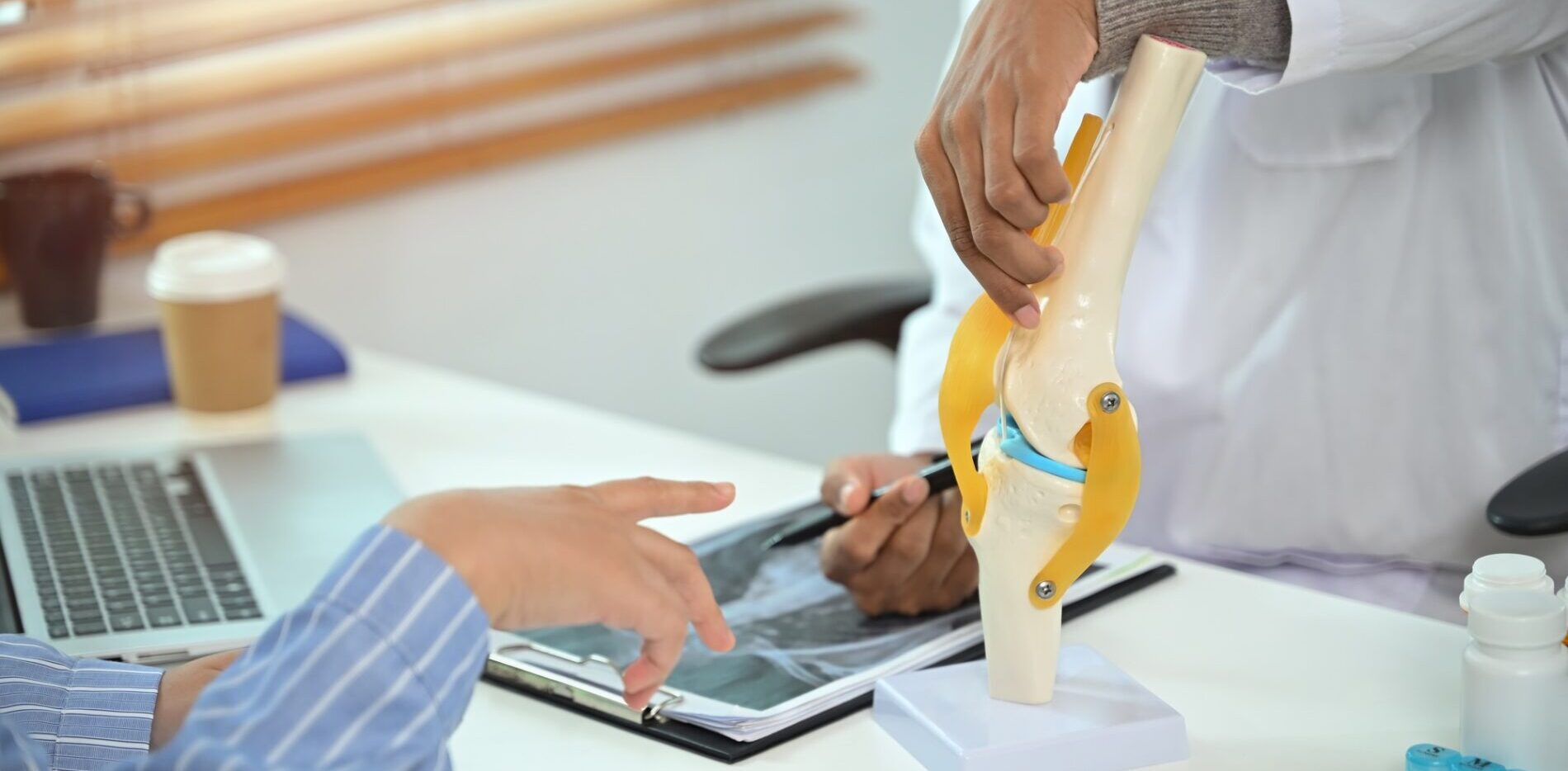
Your relationship with Dr. Morcos begins with a comprehensive consultation designed to:
- Thoroughly understand your symptoms and how they affect your life
- Review your medical history and previous treatments
- Perform a detailed physical examination
- Analyze any existing imaging studies or order new ones if needed
- Discuss your goals and expectations for treatment
“This first meeting is foundational,” says Dr. Morcos. “It’s where we establish trust, create a shared understanding of your condition, and begin developing a treatment plan tailored to your specific needs.”
You’ll leave your consultation with:
- A clear diagnosis of your condition
- An understanding of all appropriate treatment options
- A recommended plan of action
- Answers to your questions and concerns
- Next steps for moving forward, whether surgical or non-surgical
Day of Surgery Experience
If surgery is recommended and you decide to proceed, you’ll appreciate the streamlined, patient-focused experience at our specialized facility:
Before Surgery:
- Arrive at our dedicated surgical center where our team will warmly welcome you
- Complete final paperwork and preparation in a private pre-operative area
- Meet with your anesthesia provider to discuss your anesthesia plan
- Have a final visit with Dr. Morcos to address any last-minute questions
During Surgery:
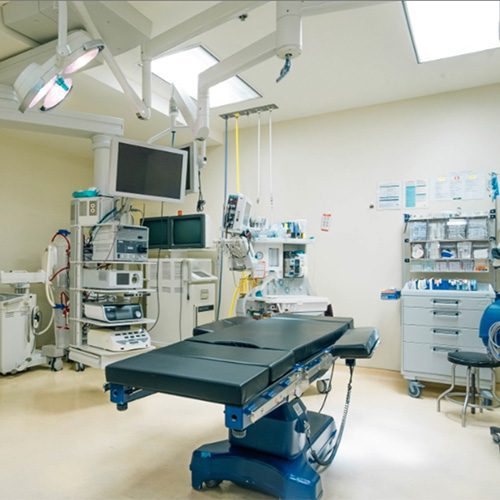
- Benefit from our specialized orthopedic operating rooms with advanced equipment
- Receive expert care from our surgical team that specializes exclusively in joint procedures
- Experience precise execution of your personalized surgical plan
Immediately After Surgery:
- Recover in a comfortable, private space under expert monitoring
- Begin gentle movement and possibly stand or walk the same day (for most procedures)
- Receive detailed guidance about your initial recovery steps
Most patients are pleasantly surprised by how smoothly their surgical day progresses in our specialized center compared to general hospitals.
Our Commitment to Comfortable Recovery
Recovery begins immediately after surgery with our comprehensive approach to both comfort and function:
- Personalized pain managementtailored to your specific needs
- Early mobilizationguided by experienced physical therapists
- Attentive nursing carefrom staff specializing in orthopedic recovery
- Detailed discharge planningthat ensures you have everything needed for home recovery
- 24/7 accessto clinical support during your recovery
“We believe recovery is both a physical and emotional journey,” explains Dr. Morcos. “Our team provides not just clinical expertise but also the encouragement and support that helps patients navigate their recovery with confidence.”
Advanced Pain Management Approach
Controlling pain effectively after joint surgery is essential for both comfort and optimal recovery. Dr. Morcos implements a sophisticated multimodal approach that begins before surgery and continues throughout your recovery.
Multimodal Pain Control for Minimal Discomfort
Rather than relying solely on opioid medications with their potential side effects, our approach targets pain through multiple mechanisms simultaneously:
Pre-emptive Analgesia:
- Pain medications administered before surgery to prevent pain pathways from becoming established
- Anti-inflammatory protocols to reduce post-surgical swelling
- Nerve block options that can provide 24-48 hours of targeted pain relief
Intra-operative Techniques:
- Precise surgical techniques that minimize tissue trauma
- Local anesthetic infiltration of the surgical site
- Advanced wound closure methods that reduce post-operative discomfort
Post-operative Strategies:
- Scheduled non-narcotic pain medications that maintain consistent pain control
- Cold therapy to reduce inflammation
- Early, gentle movement that prevents stiffness
- Elevation and compression to minimize swelling
This comprehensive approach allows most patients to achieve excellent pain control with minimal side effects.
Reducing the Need for Opioid Medications
While opioid medications have an important role in post-surgical pain management, minimizing their use offers several advantages:
- Fewer side effects like nausea, constipation, and sedation
- Reduced risk of dependency issues
- Clearer thinking during your recovery
- Better participation in early rehabilitation activities
Dr. Morcos’ approach typically reduces opioid use by 50-70% compared to traditional methods, with many patients needing these medications for just a few days or not at all.
“Our goal is comfortable recovery with minimal medication side effects,” says Dr. Morcos. “The multimodal approach allows us to control pain effectively while helping patients remain clear-headed and engaged in their recovery process.”
Take the First Step Toward Pain-Free Movement
If hip or knee pain is limiting your life, you don’t have to continue suffering. Advanced surgical options can provide dramatic relief and restore your ability to enjoy the activities you love.
Schedule Your Consultation Today
Taking the first step is easy. Simply contact our office to schedule your consultation with Dr. Morcos. During this initial appointment, you’ll receive:
- A thorough evaluation of your condition
- Expert answers to all your questions
- A clear understanding of your treatment options
- Personalized recommendations based on your specific situation
Most new patients can be seen within 2-3 weeks, with expedited appointments available for urgent situations.
“The decision to undergo joint surgery is significant,” acknowledges Dr. Morcos. “Our goal is to provide you with all the information, support, and expert care you need to make that decision with confidence and achieve the best possible outcome.”